What to Eat Before a Marathon: Food, Timing and Fueling Tips
Learn what to eat before a marathon, when to eat, how to fuel during long runs and prepare your race-day nutrition with practical food options.
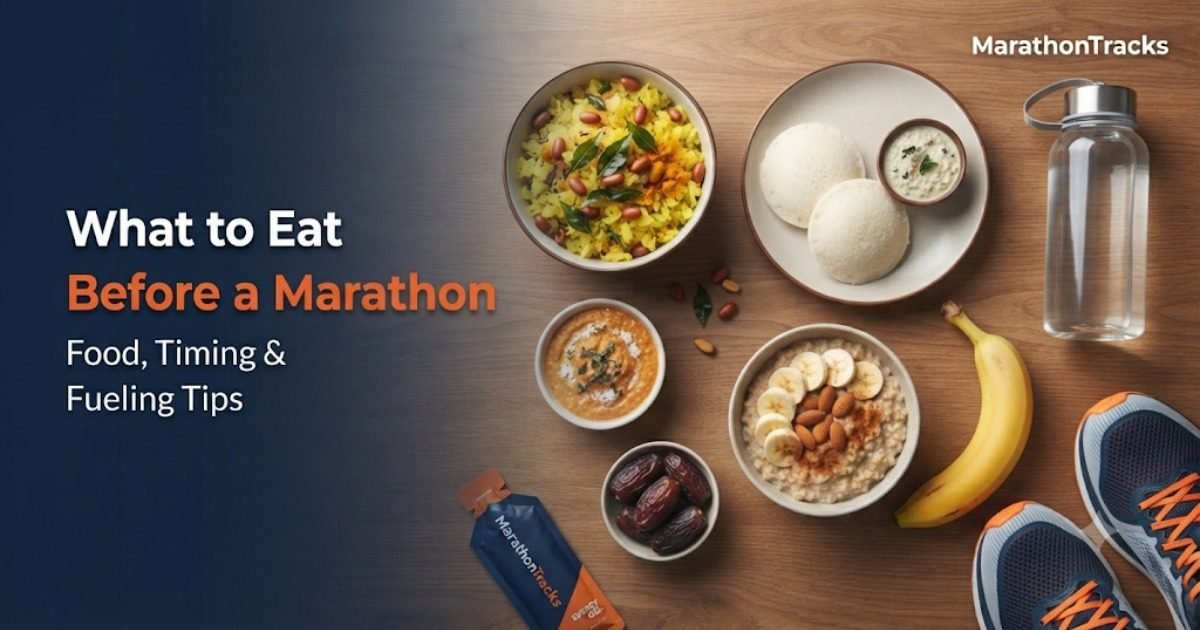
Preparing for a marathon involves much more than running long distances. Nutrition plays an important role in helping you prepare for training, maintain energy during longer runs and recover after exercise.
Many runners spend weeks following training plans but don't give enough attention to what they eat before and during their runs.
Understanding your nutrition needs can help you plan a more comfortable marathon experience. You don't need complicated diets or expensive products. A simple, familiar nutrition strategy can be a good starting point.
1. Why pre-marathon nutrition matters
Running a marathon requires sustained physical effort over several hours. Your body uses carbohydrates as an important source of energy during endurance exercise.
Eating appropriately before your race can help:
- Provide energy for running.
- Support your training.
- Reduce the likelihood of starting a long run under-fuelled.
- Help you practise your race-day routine.
Your nutrition strategy should be tested during long training runs rather than developed on race morning.
2. What to eat the day before a marathon
The day before your marathon, aim for familiar, balanced meals and adequate hydration.
Many runners increase their carbohydrate intake before longer races to help maximise glycogen stores.
Indian food options include:
- Rice.
- Roti.
- Poha.
- Idli.
- Dosa.
- Potatoes.
- Bananas.
- Bread.
- Pasta.
Avoid experimenting with unfamiliar foods, particularly meals that are unusually spicy, greasy or high in fibre if they tend to cause stomach discomfort.
3. What to eat on marathon morning
Most runners benefit from eating a familiar, carbohydrate-rich breakfast several hours before the race, adjusted to their individual tolerance and race schedule.
Examples include:
| Food | Why runners may choose it |
|---|---|
| Banana | Convenient carbohydrate source |
| Oats | Familiar breakfast option |
| Toast with jam | Simple carbohydrate-rich meal |
| Poha | Practical Indian breakfast |
| Idli | Familiar and easy to portion |
| Rice-based breakfast | Useful for runners accustomed to it |
Choose food you've already tested before long runs.
4. When should you eat before running?
Timing depends on meal size, food composition and individual digestion.
A larger meal generally requires more time to digest than a small snack.
For example:
- 2–3 hours before: A larger, familiar breakfast.
- Closer to the race: A small snack if you tolerate it well.
These are general guidelines. Your own tolerance matters.
5. How to fuel during a marathon
For marathon-distance running, consuming carbohydrates during the race is generally an important part of endurance fueling.
Depending on your training and tolerance, you may use:
- Energy gels.
- Sports drinks.
- Chews.
- Other carbohydrate products.
Some endurance athletes work towards approximately 30–60 grams of carbohydrate per hour during prolonged exercise, with higher intake sometimes used by well-trained athletes who have practised it.
Start conservatively and practise your fueling strategy during training.
6. Hydration and electrolytes
Hydration is especially important during marathon training in warm or humid conditions.
Your fluid requirements depend on temperature, humidity, pace, sweat rate and individual factors.
Consider:
- Drinking according to your needs.
- Avoiding excessive water consumption.
- Using electrolytes when appropriate.
- Practising your hydration strategy during long runs.
- Adjusting your plan for hot conditions.
7. What to eat after a marathon
After finishing a marathon, focus on recovery.
A balanced meal containing carbohydrates, protein and fluids can help replenish energy and support recovery.
Indian food options include:
- Rice and dal.
- Paneer and roti.
- Eggs and toast.
- Curd and rice.
- Chana and rice.
- Milk and fruit.
You don't need to immediately consume a perfect recovery meal. Focus on eating, drinking and resting appropriately.
8. Common marathon nutrition mistakes
- Skipping breakfast without knowing how your body responds.
- Trying unfamiliar energy gels.
- Eating excessively heavy meals.
- Drinking too much water.
- Ignoring nutrition during long runs.
- Waiting until race day to practise fueling.
9. Develop your marathon nutrition strategy
Nutrition is an individual process. What works for one runner may not work for another.
Experiment during training, keep track of what works and build a strategy that fits your running duration, conditions and comfort.
Prepare for your next marathon
Explore marathon and long-distance running events on MarathonTracks. Find your next race, start training and develop a nutrition plan that supports your running goals.